
How Does Teamwork Affect Leadership in Real Life (Not Just in Theory)?
Posted on April 24, 2025 by Leana
You know those leadership quotes that float around LinkedIn? The ones with bold fonts and dramatic mountains in the background?
Yeah, this isn’t that.
Because while the theory of leadership sounds great on paper—words like vision, strategy, and inspiration—real-life leadership? That lives in the messier, more human stuff.
Like getting your team to agree on where to go for lunch. Or calming the chaos when five different ideas fly at once. Or knowing when to speak… and when to zip it and listen.
That’s where teamwork comes in.
So if you’ve ever wondered how does teamwork affect leadership, this post is your no-fluff, real-talk answer.





It’s Easy to Lead When No One’s Talking Back
Let’s start here: being a leader in theory is easy. In a room by yourself, you’re the best kind of boss.
But add people—actual human beings, with ideas, personalities, opinions, and moods—and suddenly leadership becomes something else entirely.
That “something else” is where teamwork either makes or breaks a leader.
Because leading people isn’t about standing in front of them—it’s about working with them. And the more time a leader spends inside the team dynamic (not just watching it from above), the stronger, more self-aware, and more respected they usually become.

1. Teamwork Exposes Strengths—and Blind Spots
Here’s a secret: the best leaders aren’t the ones who know it all. They’re the ones who know where their team shines—and where they need help.
Working inside a team environment gives leaders a front-row seat to the people they lead. It shows them:
- Who steps up naturally
- Who needs space to grow
- When to push
- When to pause
More importantly? It shows leaders where they might be talking too much, listening too little, or unintentionally steamrolling.
In theory, leadership is about being in control.
In real life, it’s about knowing when to let go.
2. It Builds Trust (the Real Kind, Not the Team Poster Kind)
Ever worked for someone who disappeared behind an office door all day?
You probably didn’t feel super connected to them—and let’s be honest, you probably didn’t go the extra mile for them either.
Now think of the leader who jumped in during crunch time. Who listened when the team spoke. Who shared wins, took heat, and still laughed with everyone at lunch.
That’s trust.
And that kind of trust only comes from teamwork. From being in the mix. From shared moments, not staged ones.
So, how does teamwork affect leadership? It earns the kind of trust you can’t fake.
3. It Levels the Playing Field—In a Good Way
Leadership isn’t about hierarchy. It’s about clarity, consistency, and connection.
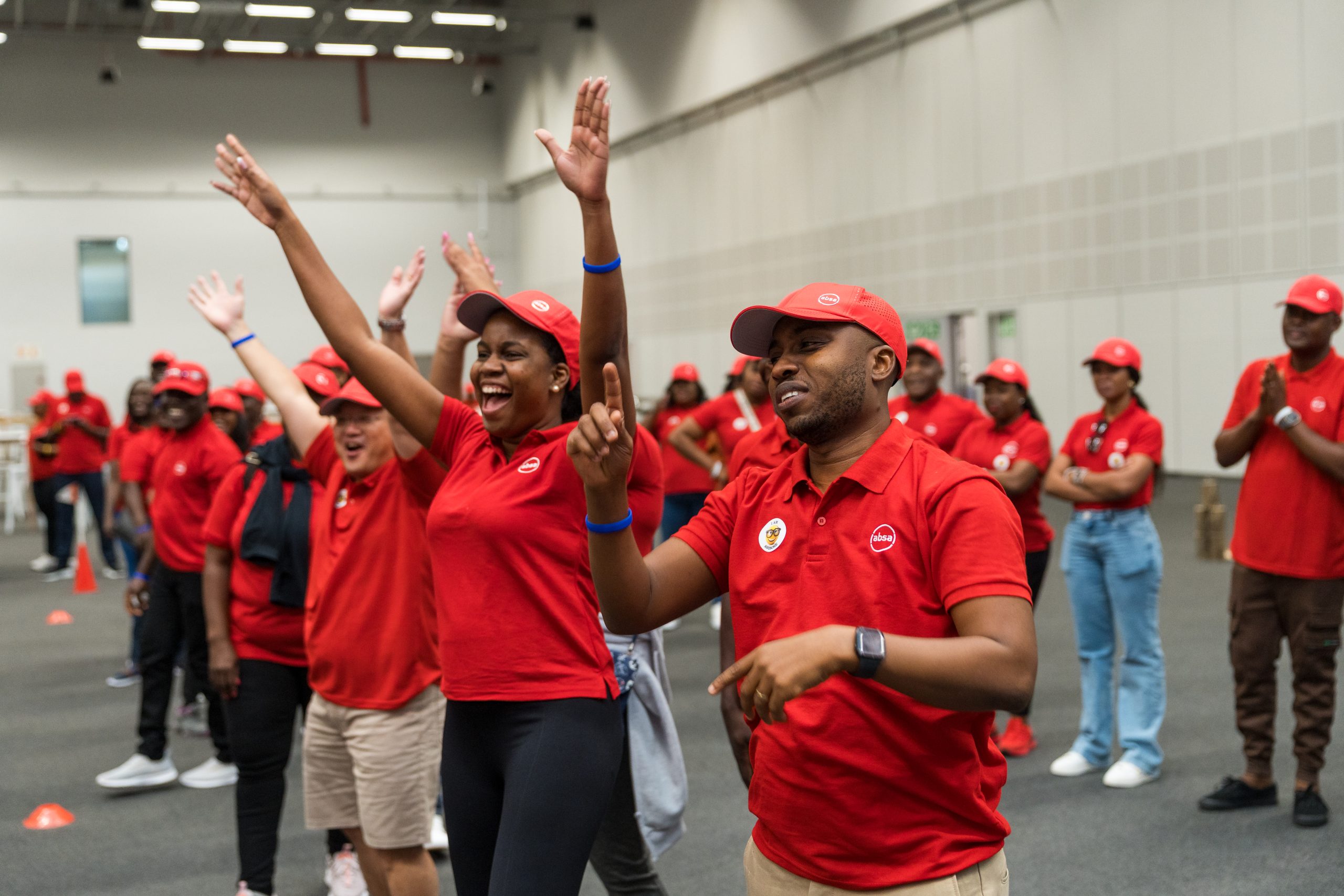
When leaders participate in team settings (think brainstorming sessions, problem-solving challenges, or even something like Teambo’s boomwhacker showdown), it creates mutual respect.
Not because they “lower themselves,” but because they show up as humans—not titles.
That makes it easier for team members to:
- Speak up
- Give feedback
- Ask questions
- Offer support
And guess what? That makes decision-making faster, conflict resolution smoother, and collaboration more natural.
Leadership gets a whole lot easier when people actually feel safe around you.
4. It Makes Communication a Two-Way Street
Leadership isn’t just about giving instructions. It’s about making sure those instructions are heard, understood, and followed through.
And guess what helps with that?
Good, honest, two-way communication.
Teamwork helps leaders learn how to:
- Simplify their message
- Adjust their tone
- Read the room
- Notice who’s confused but quiet
It also gives leaders feedback in real time. You can tell pretty quickly when something isn’t landing—and when it is.
You don’t get that kind of feedback by sending memos.
5. It Builds the Kind of Culture People Want to Be Part Of
Let’s keep it real: people don’t leave companies—they leave bad leadership.
And most bad leadership comes from disconnection.
When leaders actively participate in teamwork—not just supervise it—they create a culture of:
- Accountability without fear
- Encouragement without ego
- Performance without pressure
People feel seen. Heard. Valued.
And that’s when they start showing up—not just physically, but mentally. Emotionally. Creatively.
When a leader is part of the team’s energy, the team gives more of it back.
That’s the cycle you want.
6. It Helps Leaders Spot (and Develop) Other Leaders
Here’s something good leaders know: they’re not the only ones.
Teamwork is where future leaders show up. Sometimes loud and confident, sometimes quietly consistent.
Working side by side with a team helps leaders spot:
Problem-solvers
Empathic listeners
Natural motivators
Quiet thinkers who shift everything with one smart suggestion
And when a leader spots that talent early, they can develop it. Nurture it. Pass the mic when it’s time.
Because strong leaders create other strong leaders—not followers.
7. It Makes Hard Conversations a Little Less Hard
We’re not saying teambuilding fixes everything. But here’s what it does do:
It creates shared experiences.
And shared experiences = stronger relationships.
So when hard conversations come up (and they always do), they don’t have to feel like a standoff. They can feel like a chat between two people who’ve played on the same side before.
That mutual respect? That’s built in the quieter team moments. The ones without an agenda.
Teamwork helps leaders have those moments—and lead better because of them.

8. It Keeps the Ego in Check
The best leaders are confident. But not cocky.
Being in a team reminds leaders that they’re not always the smartest person in the room—and that’s a good thing.
In team environments, even the quietest voice can bring the best idea. That helps leaders stay grounded, curious, and open.
And when that happens? Everyone wins.
9. It Makes Leadership Feel Less Like a Job—and More Like a Purpose
This one’s big.
When leaders step into the team dynamic, they remember why they lead. It’s not for the title. Or the parking spot. Or the end-of-year review.
It’s to help people shine.
To get things done—together.
To make something better than what one person could do alone.
Teamwork reminds leaders what leadership is actually about.
And that can reignite the kind of energy that trickles through the whole team.
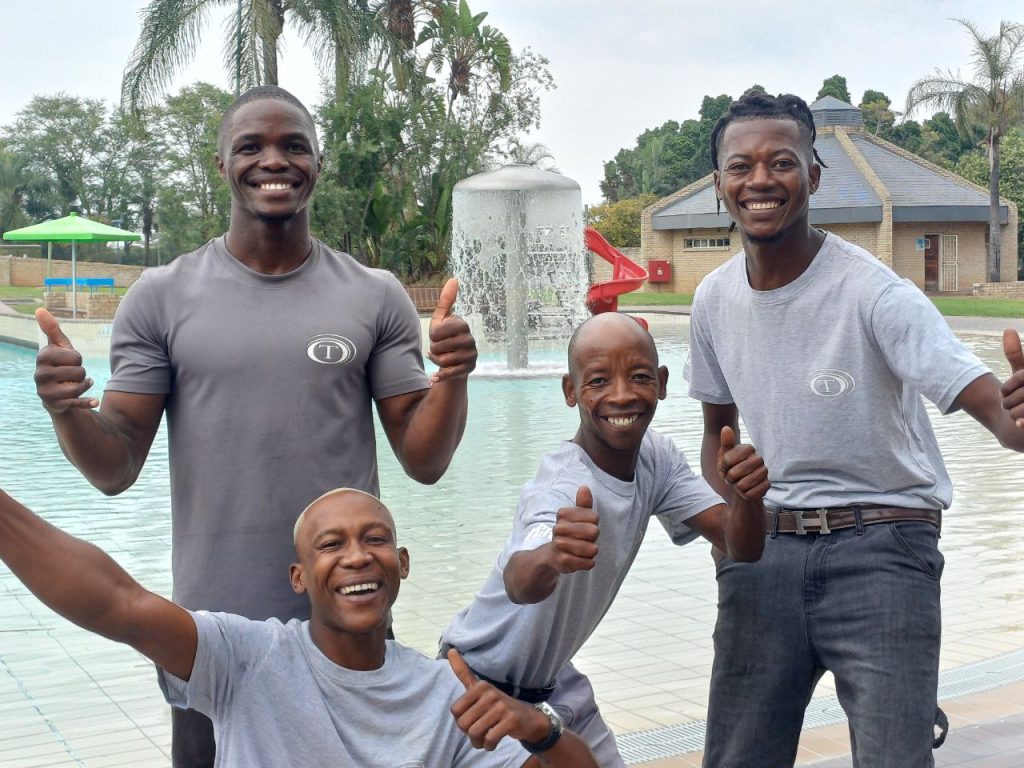
Great Leaders Don’t Just Lead. They Team Up.
So—how does teamwork affect leadership?
It sharpens it.
It softens it (in all the right ways).
It makes it human, relatable, and real.
You don’t become a great leader from a title. You become one in the circle. In the brainstorm. In the moment you say, “Let’s figure it out together.”
At Teambo, we’ve seen it happen. Not in theory—in real life.
Because when leaders work with their teams, not just above them, everything shifts.
And we’re here for it.