
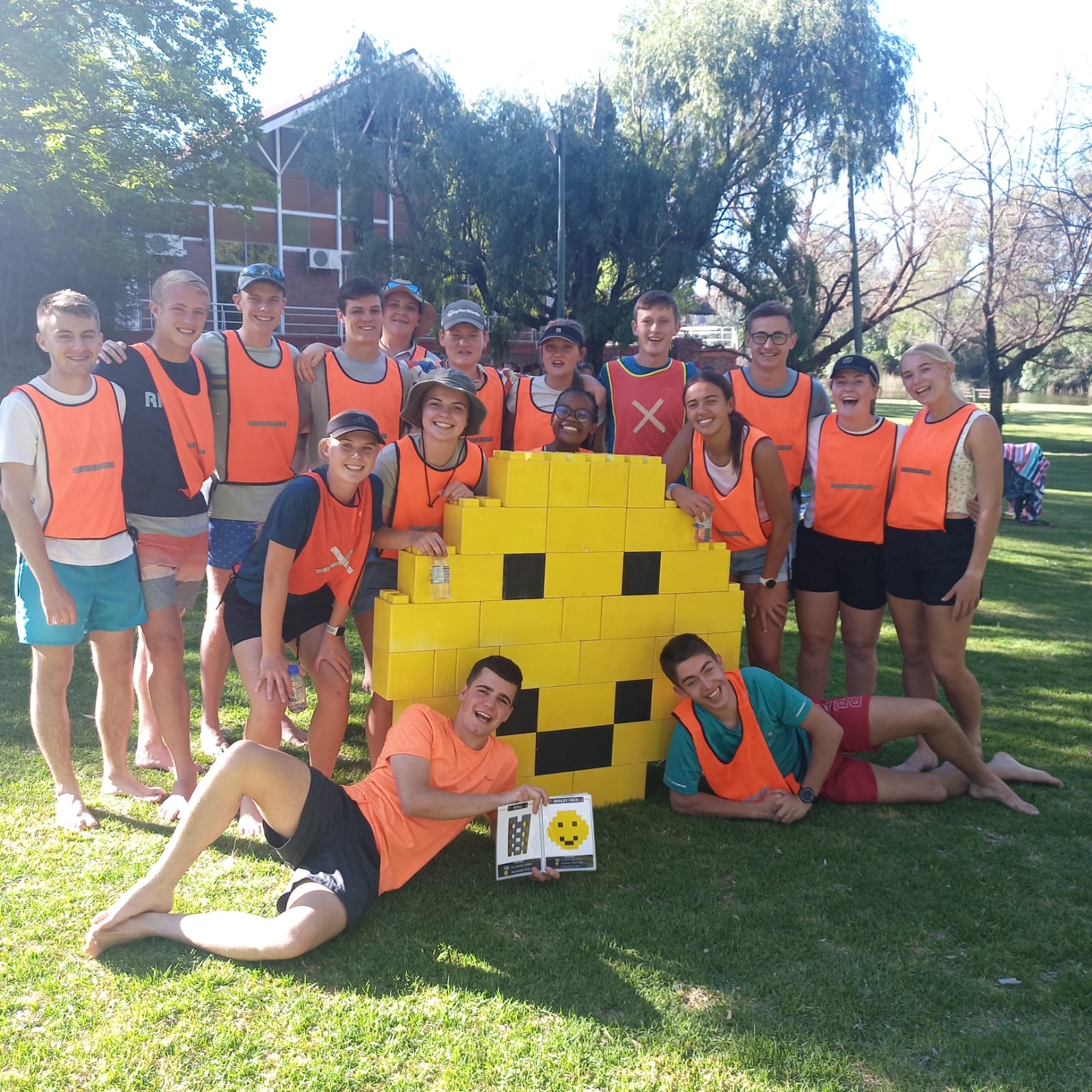
What Makes a Winning Team? 5 Must-Have Elements Every School or Workplace Needs
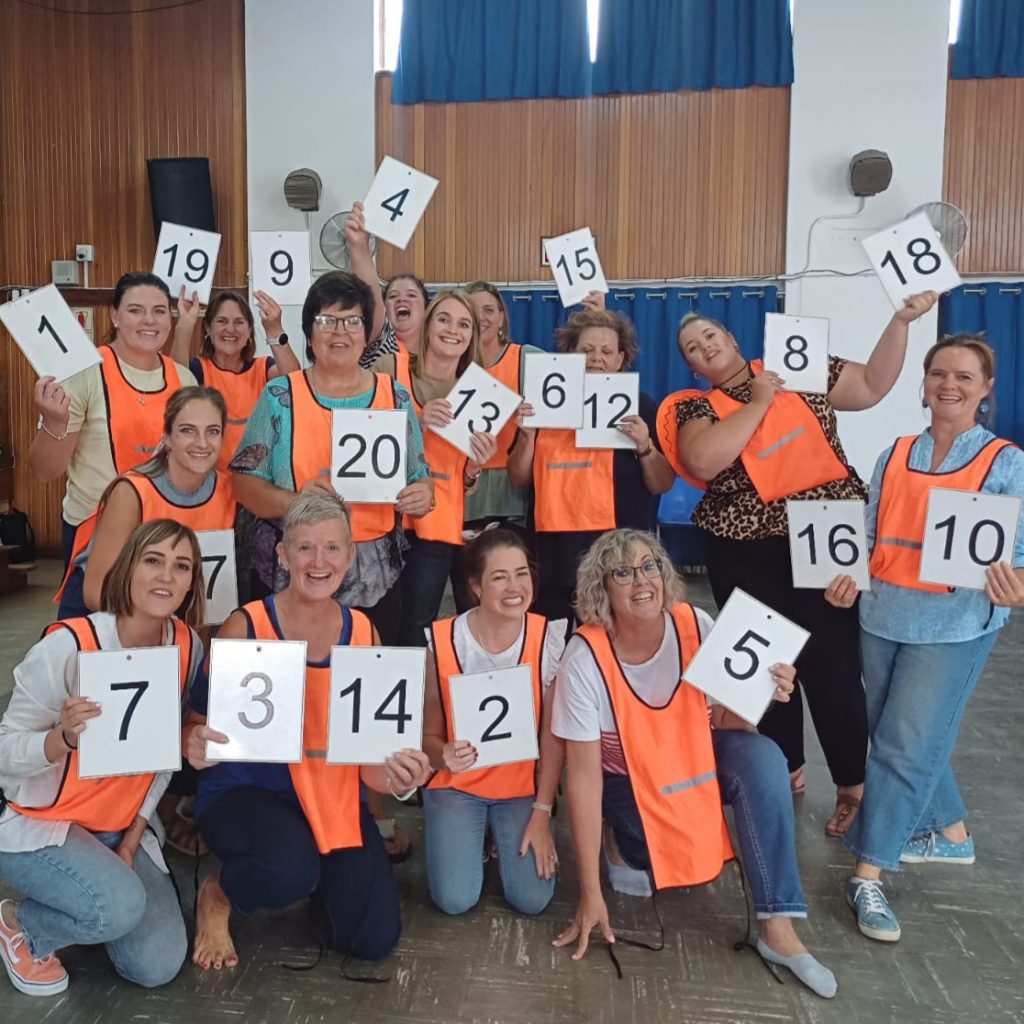
There’s something electric that happens when a group of people—whether in a classroom or a boardroom—actually clicks. You can feel it in the energy, the way ideas bounce around, how people have each other’s backs. And when that magic’s missing? Yho, you can feel that too. It’s the difference between surviving and thriving. So what really makes a team win, grow, and stay connected?
Hi, I’m Tumi—Teambo’s Vibe Curator—and I’ve spent years seeing teams come alive. From lively drumming circles in Durban schools to energised conference rooms in Jozi, I’ve watched how rhythm, laughter, and good old connection transform a “group” into a proper team. And through it all, I’ve learned that the strongest teams—whether learners or leaders—share some key ingredients.
Let’s unpack the five real-deal, must-have elements that make school teams solid and workplace squads unstoppable. And yes, I’ll throw in how we bring it to life at Teambo without a single trust fall in sight.
1. Clear Communication (With Room to Be Human)
If your team isn’t talking, they’re not winning. It’s as simple as that. But this isn’t about sending long emails or booking ten meetings a day. It’s about the kind of communication that actually connects people. The kind where your voice gets heard, your input matters, and your team feels like a place where you can speak up—whether you’re suggesting a new strategy or asking who took your yoghurt from the fridge.
For students, that might mean learning how to listen as much as they speak. It’s understanding tone, timing, and how to give feedback without making someone shut down. For employees, it’s having the courage to raise ideas in front of management—or being the one who encourages quieter colleagues to step in.
At Teambo, we see this in our Boomwhacker sessions where everyone plays their part—literally. You can’t fake harmony. When people communicate well, rhythm flows. When they don’t, you hear the chaos. That’s the beauty of building better communication through play: it sneaks in learning without the lecture.
2. A Shared Goal (Beyond Just Getting Through the Day)
Let’s be honest: half the time, teams are just trying to get to Friday. But what separates “let’s survive the term” from “let’s smash this project” is having a goal everyone believes in. Whether it’s passing a group assignment with flying colours or launching a new campaign, teams need a reason to rally.
When your people know what they’re working toward—and why it matters—they start showing up differently. Accountability kicks in. Momentum builds. It stops being about “me” and becomes about “us.”
For students, this could be prepping for a school production, planning a charity day, or training for a sports tournament. In the workplace, it could be meeting targets or planning a big launch. But here’s the secret: goals work better when everyone feels ownership.
That’s where our team building magic comes in. We create experiences where small wins lead to big moments. Drumming in sync to hit a finale. Solving clues in a game challenge. Those shared mini-missions lay the mental foundation for bigger real-life wins later on.
3. Trust and Respect (Built in the Smallest Moments)
Trust doesn’t just arrive when someone joins a team. It’s built when people show up consistently. It grows when someone says, “You’ve got this,” and means it. It builds every time someone gets credit for a great idea, and nobody takes a shortcut at someone else’s expense.
This one shows up loudest in our school team activities. Kids are raw—they know instantly when someone’s not pulling their weight. And they also know when encouragement is real. We’ve watched groups of learners who couldn’t stand each other at the start of a session become a unit by the end—just by learning how to drum together without stepping over each other.
The same goes for employees. Respect grows when someone helps their colleague prep for a pitch or covers for them when they’re overwhelmed. It’s not the big gestures—it’s the small consistent ones.
At Teambo, we don’t talk about trust. We build it. Whether it’s passing rhythm in a circle or lifting each other’s ideas during a creative game, we create spaces where trust isn’t just spoken—it’s felt.
4. The Ability to Have Fun Together (No, Really)
You know what kills a team vibe quicker than a missed deadline? Boredom. Teams that never laugh together, never play together, never let their hair down—they end up stuck in grey mode. People retreat. Collaboration drops. Resentment simmers. Sound familiar?
Fun isn’t a distraction. It’s a reset. A recharge. It reminds people that they’re human before they’re colleagues or classmates.
That’s why fun team building ideas aren’t fluff—they’re fuel. At Teambo, our sessions are designed to crack open the “we’re too serious for this” shell. Ever seen a finance manager try to keep rhythm with Boomwhackers while the intern leads the tempo? Or a group of learners suddenly realise they just created a full performance as a unit? That joy is real. And it creates connection.
Fun loosens tension. It gets the shy ones talking. It levels the playing field and brings out people’s natural strengths. When people associate good energy with being together, they start working better together without even realising it.
5. Space to Grow (Without Being Put in a Box)
Every strong team has one more thing: permission to grow. It’s the culture that says, “You don’t have to be perfect—you just have to be improving.” Whether you’re a Grade 8 student figuring out how to speak in front of a group or a team leader learning how to delegate better, growth needs to be encouraged and supported.
It means making room for mistakes, trying new things, and letting people surprise you.
This is a biggie for school learners. So many students carry labels—“the shy one,” “the joker,” “the one who always takes over.” But in our school team activities, roles get rewritten. Suddenly the quiet kid’s leading a rhythm circle. The joker’s organising people. People discover new strengths because they’re given a chance.
The same applies to companies. A junior team member might shine in a problem-solving game or a senior manager might discover they’re actually great at supporting from the sidelines. Growth doesn’t happen in comfort zones. And the strongest teams are the ones that encourage each other to step out.
At Teambo, we don’t say, “This is who you are.” We say, “Let’s see who else you can be.” And that shift can change everything.
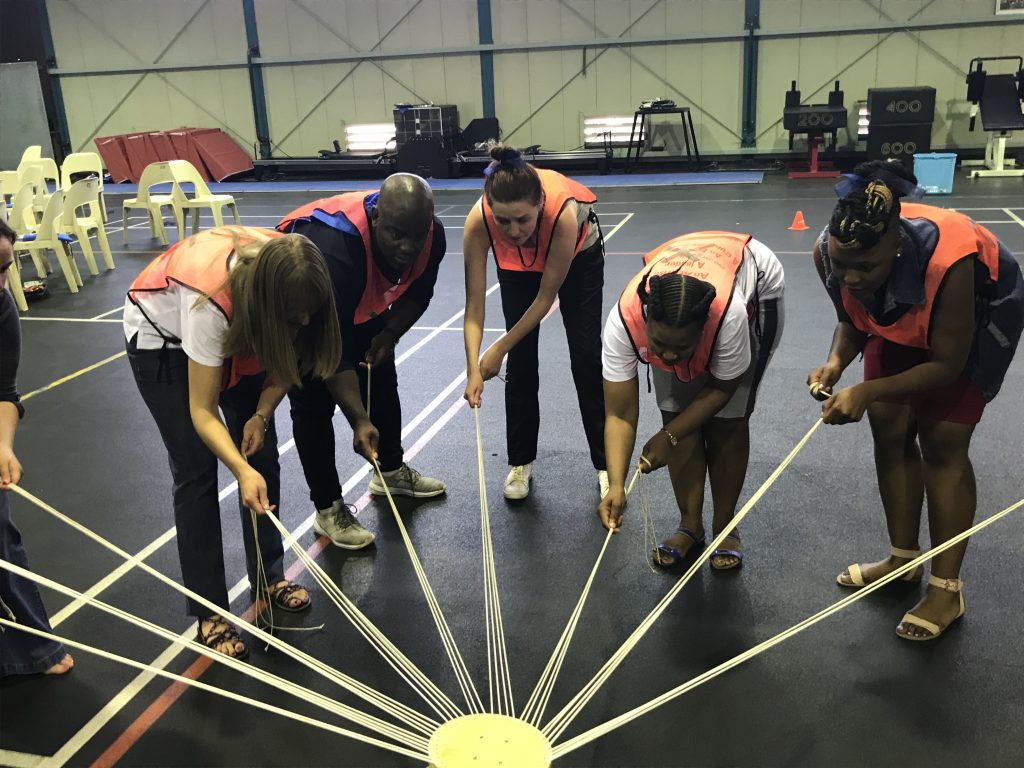
How to Build a Strong Team in Schools and Workplaces—The Teambo Way
Now that we’ve broken down the five essentials, let’s get practical. Because you can know all this stuff, but the real magic happens when you live it. So how do you actually build a strong team that doesn’t just look good on paper but genuinely functions, grows, and enjoys being together?
Start with intention. Whether you’re leading a school group or a corporate department, ask: What kind of team do we want to be? What matters to us? How do we want to feel when we work or learn together?
Then, bring in experiences that reflect those goals. It’s not about ticking a “team building” box with a quick workshop—it’s about creating shared moments that reinforce trust, energy, and understanding. That’s where our work at Teambo comes in.
We design school team activities and workplace experiences that build real, lasting connections. It’s not just an hour of drumming or an afternoon game show. It’s a chance for people to remember what’s possible when they truly see each other, support each other, and have a little fun doing it.
Teamwork Skills for Students: Starting Young, Starting Right
Let’s chat about schools for a moment. Because if we’re talking long-term impact, this is where it starts. Students don’t just need academics—they need soft skills that stick. We’re talking empathy, resilience, clear communication, and the confidence to step into a role and contribute.
When learners experience real teamwork early, it changes how they approach relationships for life. Our school team activities do more than entertain—they help young people navigate leadership, feedback, group dynamics, and self-expression.
We’ve worked with schools where learners arrive unsure, withdrawn, or disruptive—and by the end of the session, they’ve tapped into something new. Maybe they led a chant, maybe they solved a challenge together, maybe they just listened for the first time. That’s growth.
These experiences don’t replace the classroom. They supercharge it. Because once students feel part of a team, they show up differently. They trust more. They learn better. They become the kind of adults you want on your team later in life.
Employee Teamwork Tips That Actually Work
Now flip the script. Grown-ups need support too. And let’s be real: it gets harder with age. Stress, office politics, deadlines—all of it makes teamwork more complicated. But the principles are the same.
Want better teamwork in your workplace? Give people a chance to reconnect as people—not just job titles. Create space where they can laugh, move, create, and step out of their usual roles.
Here’s one of our favourite employee teamwork tips: bring your people together before there’s a problem. Don’t wait for the conflict or the burnout. Prevent it by building a foundation of trust and shared energy.
That could look like a morning rhythm session to start a team strategy day. A fun, mobile drumming circle at the end of a product sprint. Or an energiser that turns a dry training session into something people actually want to be part of.
Strong teams don’t just happen. They’re built—through shared moments, honest conversations, and the occasional dance move in the middle of a meeting room.
Fun Team Building Ideas That Don’t Feel Forced
If you’ve ever cringed through an awkward “team bonding” moment, you’re not alone. A lot of team building feels… well, like a bad group assignment. That’s why we do things differently.
Fun team building ideas should feel natural. Engaging. Something people want to talk about after—not pretend didn’t happen.
That’s why we keep things playful and unexpected. Think Boomwhacker challenges where the rhythm becomes the message. Think games where the quiet ones become the MVPs. Think problem-solving that’s more improv comedy than project planning.
The goal isn’t to push people out of their comfort zones just for the sake of it. It’s to invite them into a space where they can surprise themselves. That’s the kind of fun that actually sticks.
School Team Activities That Go Beyond the Bell
When we run our school team sessions, we’re not there to entertain. We’re there to activate. Because kids are clever. They know when something’s real.
The activities we bring to schools are designed to help learners connect with themselves and each other—whether that’s through sound, movement, laughter, or leadership.
From foundation phase learners all the way to Grade 12s, the goal is the same: give them tools they can carry into the classroom, the sports field, and life.
And the feedback? It’s the best part. Teachers tell us learners are more focused after our sessions. Parents say kids come home buzzing. And learners? They ask when we’re coming back. That’s when you know something worked.
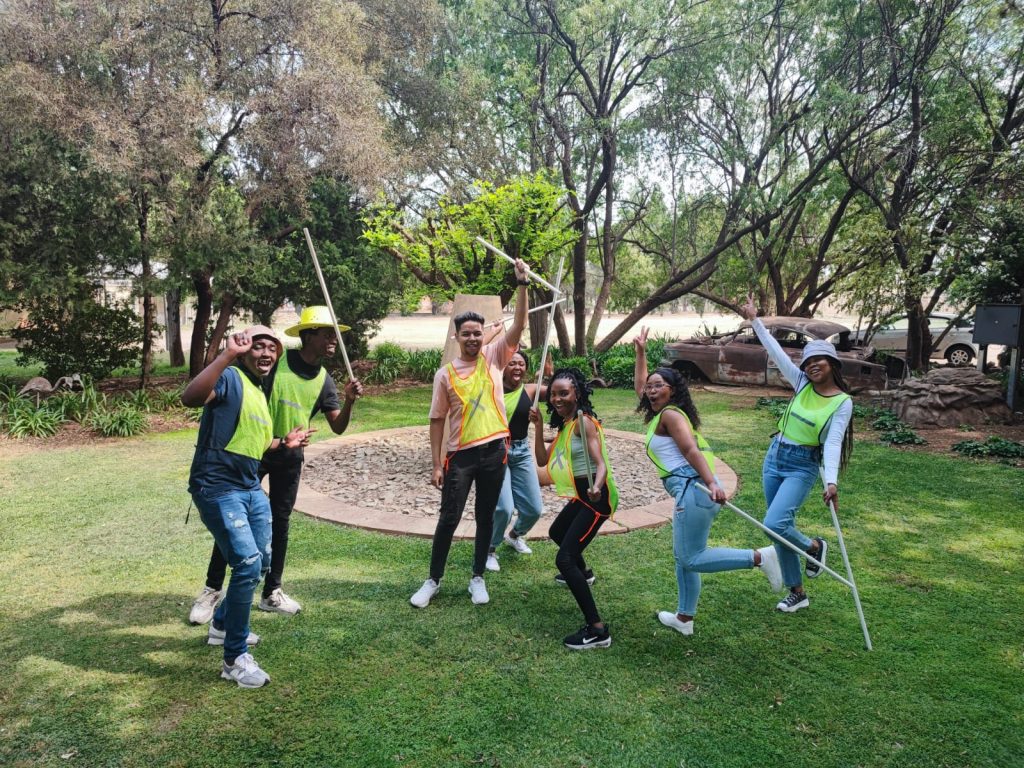
So, What Does a Winning Team Look Like?
It’s not about who has the biggest office, the most badges, or the highest grades. A winning team is one where people show up for each other. Where challenges are shared, wins are celebrated, and nobody feels like they’re going it alone.
You know a winning team when you walk into a room and feel the vibe shift. There’s rhythm. Energy. Ease.
We see it every week at Teambo. In schools, in companies, in church groups and sports teams. That moment when a bunch of individuals suddenly becomes something more.
And here’s the secret: it’s not magic. It’s music. Movement. Intention. Joy. And it’s available to every team willing to give it a go.