

Why Schools Should Start the Year With a Grade 8 Orientation Teambuilding Session
The first week of high school is a blur for most Grade 8s.
New faces. Bigger classes. Longer hallways. New routines. New everything.
While educators are focused on timetables, textbooks and settling into the academic rhythm, new learners are navigating something completely different. They’re wondering if they’ll make friends. If they’ll fit in. If anyone will notice if they get lost on the way to Maths.
This is exactly why schools that take the time to invest in a proper Grade 8 orientation set the tone for the rest of the year. And when that orientation includes a meaningful, fun and structured school teambuilding session, the impact is even bigger.
The Real Reason Grade 8 Orientation Matters So Much
Grade 8 isn’t just a new grade. It’s a huge personal leap.
For many learners, it’s their first time in a new school environment. They’ve gone from being the oldest in primary to the youngest in high school. Everything is unfamiliar. That can either create anxiety and isolation, or it can open up an opportunity for confidence and connection.
When schools provide intentional orientation experiences that include learner bonding and team activities, they help learners shift from fear to curiosity, from isolation to inclusion, and from uncertainty to belonging.
And that changes everything.
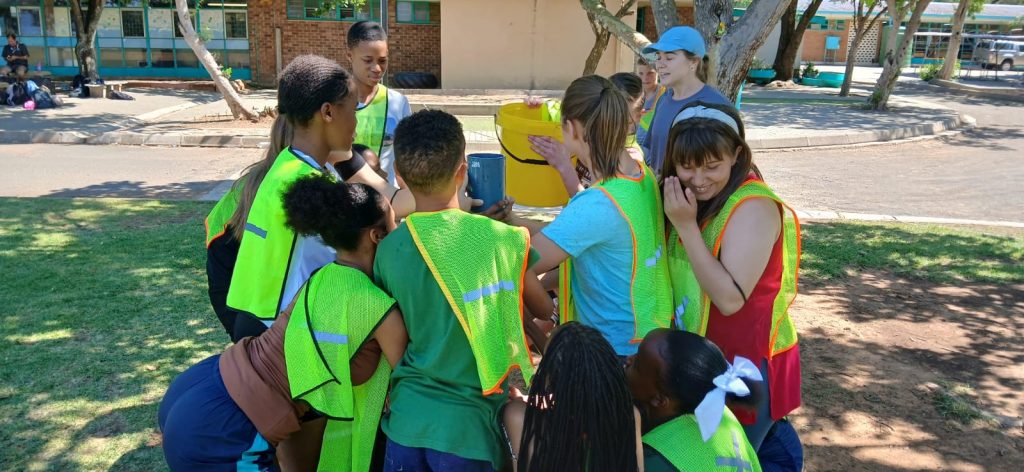
Learners Don’t Just Need Rules. They Need Connection.
It’s easy to forget just how intimidating the start of high school can be.
Yes, learners need to know where their classes are. Yes, they need schedules and ground rules. But more than anything, they need to feel like they belong.
Before academics. Before sport. Before assessments.
Belonging is what creates safety. And safety is what allows learners to open up, ask questions, get involved and actually enjoy being at school.
That doesn’t happen on its own. It has to be built. And Grade 8 orientation is the moment to do it.
How Teambuilding Changes the Experience
When schools include a dynamic education teambuilding session as part of orientation, they take the experience to a whole new level. Here’s what actually changes.
1. It Breaks the Ice, Without the Awkwardness
Forget name games and forced smiles. A well-run teambuilding session lets learners interact naturally. They move, they participate, they laugh. And somewhere in the middle of all that, they stop feeling so tense.
Walls drop. Friendships start forming. And that anxious energy starts to settle.
2. It Creates Instant Bonding Opportunities
When you put a group of new learners into a shared activity that includes everyone, it levels the playing field. There’s no pressure to be the fastest or the loudest. It’s about teamwork, participation, and shared moments.
That’s where true learner bonding begins. In moments where learners feel seen, heard, and part of something.
It’s also the start of the kind of friendships that make school more enjoyable and school life more grounded.
3. It Builds Confidence Early
Confidence isn’t just about speaking up in class. It’s about feeling comfortable in your own skin in a new space.
When learners experience a teambuilding activity where they can participate without judgment, where no one sits on the sidelines, and where every contribution matters, they start to feel more confident.
They’re more likely to raise their hand. Join a group. Try something new. And that confidence snowballs throughout the year.
4. It Introduces School Culture Without a Lecture
School culture is often something spoken about at assemblies or printed on banners. But for Grade 8s, culture is something they feel long before they understand it.
When orientation includes a session that promotes respect, participation, fun, and togetherness, learners start experiencing that culture straight away.
And when they experience it early, they start living it early too.
5. It Reduces Anxiety From Day One
Anxiety is real. And for many Grade 8s, it shows up in small ways.
They sit alone. They keep quiet. They avoid eye contact.
But when they’ve already shared a few laughs, solved a challenge with their peers, or cheered each other on during an activity, that anxiety fades. They stop worrying about whether they’ll fit in. Because now they know they already do.
Why Orientation Needs to Be More Than a Tour
There’s nothing wrong with school tours or policy briefings. But they can’t be the only part of orientation.
Because learners don’t remember which teacher spoke the longest. They remember how they felt.
They remember the moment they weren’t the only one who didn’t know where to go. The moment they got picked for a team. The moment someone high-fived them and called them by name.
These moments matter. They’re small but powerful. And they’re exactly what school teambuilding is designed to create.
What Happens When You Don’t Prioritise This?
You probably already know.
January rolls into February. People are technically doing their jobs, but there’s no spark. Meetings are fine, not great. Morale is flat. Projects move, but they don’t move fast.
It’s not a crisis. But it’s not a win either.
And in a year where energy and connection could have been your edge, you’re stuck playing catch-up because you didn’t make space for your people to reconnect.
Teambuilding Is Not Just Fun. It’s Strategic.
This isn’t about throwing a party for the sake of it. It’s about being intentional with how you start your academic year.
You’re not just welcoming learners. You’re laying the foundation for everything that follows.
- Academic performance improves when learners feel connected
- Classroom behaviour improves when learners feel they belong
- School spirit grows when learners feel seen early
Orientation sets the tone. And teambuilding gives you the perfect tool to make that tone one of energy, unity, and confidence.
Why Schools That Prioritise This See the Difference
Schools that include active, inclusive orientation programs consistently report:
- More confident Grade 8 learners
- Better integration across grades
- Fewer disciplinary issues early on
- Higher participation in extracurricular activities
- A stronger sense of school pride
That’s not just good for learners. It’s good for the entire school environment.
What Makes Teambo’s Approach Work So Well?
At Teambo, we’ve worked with hundreds of schools across South Africa to design orientation teambuilding sessions that actually work.
We know how to create environments where everyone gets involved, where introverts feel comfortable, and where learners walk away feeling like part of the school, not just visitors.
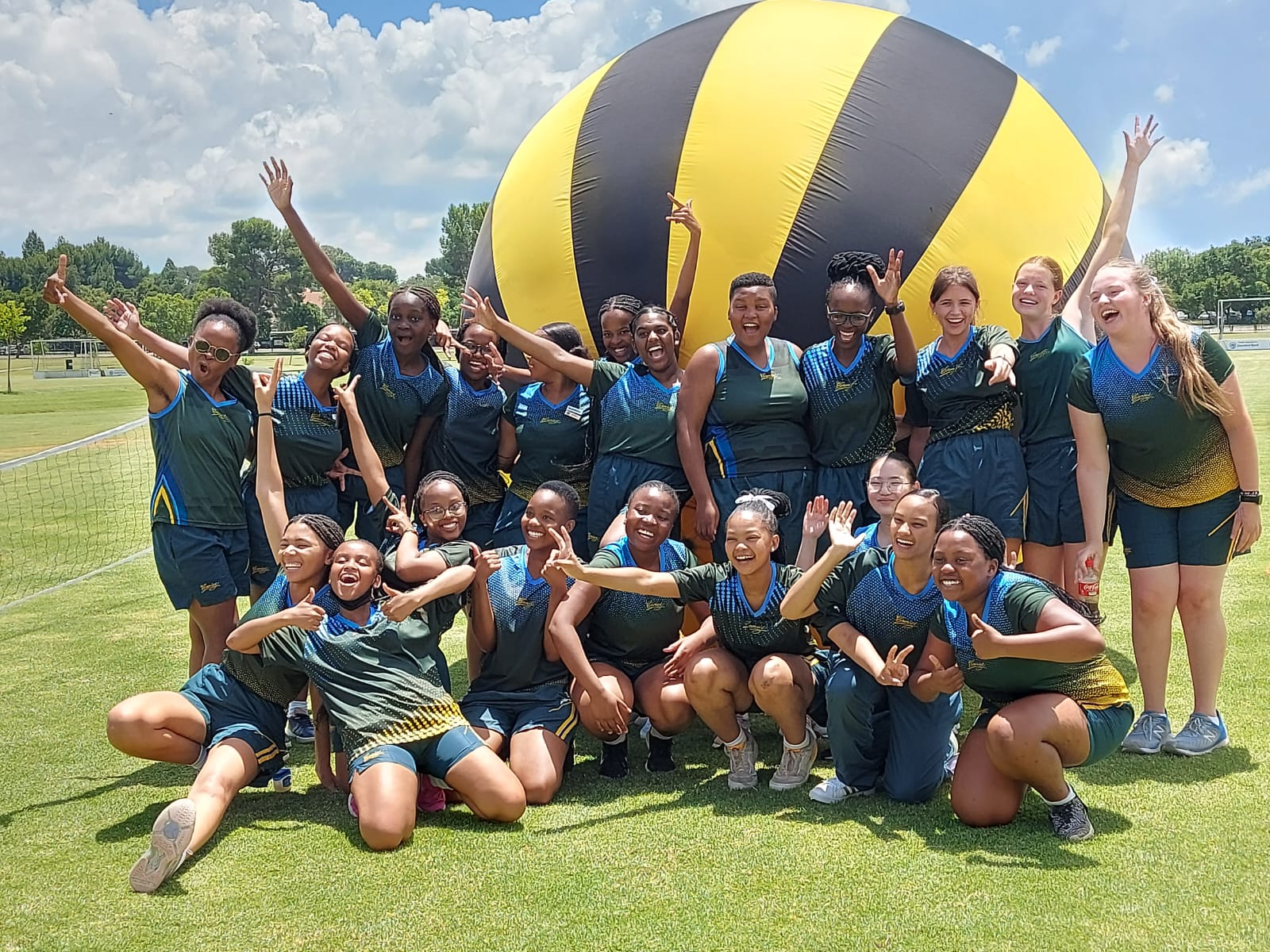
No cringe. No chaos. Just structured, high-energy fun that gets learners moving, laughing, listening, and bonding.
We also make it easy. We come to you. We bring everything we need. And we make sure the session feels like a natural extension of your school’s values and goals.
Because when learners feel that from the start, everything else falls into place.
FAQ: Grade 8 Orientation Teambuilding
Is Grade 8 teambuilding really necessary?
Absolutely. This isn’t just a social bonus. It’s an essential part of helping new learners integrate, connect, and settle into the school environment with confidence and positivity.
What if my learners are shy or nervous?
Perfect. That’s exactly why teambuilding works. The right activities are inclusive and low-risk. No one is forced to perform. The energy builds naturally, and even the shyest learners find ways to participate.
Does it take a full day?
Not at all. Even a 90-minute session can make a huge impact. It’s about the quality of the experience, not the quantity of time. That said, many schools do pair it with other orientation elements for a full-day program.
Is this just for the first week of school?
The first week is ideal, but if you missed that window, it’s never too late. A teambuilding session can work well during the first month as part of your broader onboarding and culture-building plans.
What if we’ve never done this before?
No problem. We’ll guide you through the process and help you plan the best experience for your learners. We’ve got you.