
Building Tomorrow’s Leaders: Why Leadership Camps Matter More Than Ever
Leadership isn’t something that magically appears in Grade 12. It’s shaped early, in real moments, through real experiences.
And if we’re serious about raising confident, emotionally intelligent, purpose-driven young leaders, then we can’t wait until they’re already holding titles. We need to start while they’re still discovering who they are.
That’s where leadership camps come in.
They’re not just a fun outing or a badge on a prefect’s blazer. They’re the training ground for communication, resilience, emotional intelligence, and self-awareness. These are the skills learners need to grow into leaders who actually lead.
Why Leadership Needs a New Approach
We’ve moved past the idea that leadership belongs to the loudest person in the room. Today’s schools, workplaces, and communities need leaders who can listen, connect, adapt, and bring people together.
We’re looking for young people who build trust, manage pressure, make tough calls, and lead with empathy and intention.
Those qualities aren’t developed in a classroom alone. They grow in real-world situations, through experiences that challenge learners to step up, try, reflect, and grow.
Why It’s a Mistake to Wait
In many schools, leadership development starts too late. By the time learners are given roles or badges, the expectations are already high, but the support is often missing.
That leads to doubt, pressure, and performance without growth.
Leadership camps change that. They provide the space for learners to try things out before anyone is watching. It’s real growth in a low-pressure setting, supported by facilitators who know how to guide, not lecture
What Happens at a Leadership Camp?
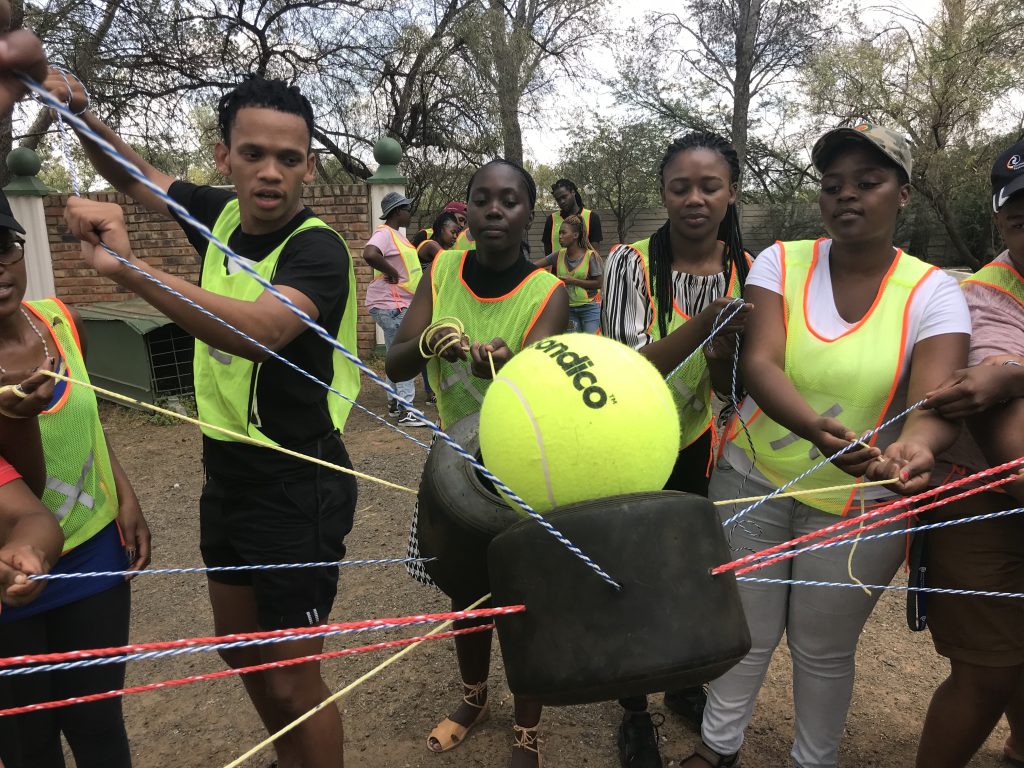
This isn’t about making lanyards or sitting in a circle talking about feelings. Leadership camps use movement, activities, and challenge-based learning to build real skills that last long after the camp ends.
Emotional Intelligence Becomes Real
Empathy isn’t taught in a worksheet. It’s learned in the moment a teammate falls behind and the group must decide what matters more—winning, or finishing together.
Learners begin to recognise emotions, read the room, and respond with awareness. They reflect on their role in a group. They notice how their actions affect others. That’s emotional intelligence in action.
Communication Stops Being a Buzzword
Leadership isn’t about having the mic. It’s about clarity, honesty, listening, and choosing your words wisely.
At camp, communication happens constantly. Learners face challenges where they need to give clear instructions, listen actively, resolve misunderstandings, and share ideas without overpowering others.
Each conversation becomes a moment to learn how to lead through dialogue, not dominance.
Responsibility Kicks In Naturally
In a school setting, responsibility often comes from adults. At camp, it comes from within the group.
Learners are given tasks or roles to carry out, but no one holds their hand. They learn to lead, support, and contribute without being told what to do at every turn.
Responsibility stops being something they wait for. It becomes something they take.
Grit Shows Up When It’s Needed Most
Every camp has that one activity. The one that tests patience, problem-solving, or endurance. The one that doesn’t work the first time. Maybe not even the second.
That’s when grit appears. Learners discover their capacity to push through, adapt, ask for help, and keep trying—even when it’s hard.
That’s real resilience. And you can’t fake it.
Collaboration Feels Like a Win
Teamwork is more than working together. It’s making space for different personalities. It’s knowing when to lead and when to follow. It’s staying focused on solutions, not egos.
Camp activities build this kind of collaboration naturally. No one can complete the challenge alone. Everyone contributes. Success feels like a shared win, not a solo achievement.
Why Experiential Learning Works So Well
You can’t teach self-awareness through slides. And learners don’t build leadership by writing definitions in their notebooks.
These are social and emotional skills. They need movement, decision-making, reflection, and feedback. That’s why experiential learning is so effective.
It puts learners in situations where their choices matter. They get immediate feedback—not from a teacher, but from the result of the activity itself.
That kind of learning sticks.
Leadership Isn’t Just for the Confident Kids
It’s easy to assume leadership camps are for the loudest learners. But the truth is, some of the strongest leaders are quiet thinkers, calm supporters, and learners who lead by example.
Leadership camps create room for every learner to discover their style. The loud voice, the strategic thinker, the empathetic listener—all have space to grow.
When schools support a variety of leadership styles, learners stop trying to fit a mold. They start leading in ways that feel real to them.
Why It Matters More Than Ever
Today’s learners are growing up in a fast-moving, high-pressure world. They’re expected to perform, communicate, adapt, and lead—even when they feel unsure.
If we want tomorrow’s leaders to be ready, we need to start preparing them now.
Not with lectures or titles, but with space to try, to fail safely, to succeed, and to reflect. That’s what leadership camps offer.
What Makes Teambo Leadership Camps Different?
We don’t run cookie-cutter camps. Every session is built around movement, inclusion, and meaningful outcomes.
Our facilitators create high-energy environments where learners feel safe to try. No one is put on the spot. No one sits on the sidelines.
Activities are designed to challenge, not overwhelm. To include, not exclude. And to help every learner walk away with a deeper understanding of who they are and how they lead.
It’s leadership development with intention, without pressure, and with real results that show up in school, on the field, and in life.
FAQ: Leadership Camps and Learner Growth
When should schools start leadership development?
Earlier is better. Learners in Grade 8 and up can benefit from leadership experiences that build confidence and create a foundation for future roles.
What if learners aren’t in official leadership positions yet?
Perfect. Camps are designed for learners who are discovering their potential. These experiences help them grow into future leaders, even if they haven’t stepped into a title yet.
Do quieter learners benefit too?
Absolutely. Teambo creates a space where every learner can lead in their own way. Some will lead through energy, others through thoughtfulness. There’s no single version of a leader here.
Is it better as a day camp or overnight?
Both formats work. What matters most is the energy, structure, and support built into the experience. Whether it’s one day or a full weekend, the outcome depends on the intention.
What are the biggest takeaways from a Teambo camp?
Learners leave with more confidence, stronger communication skills, real resilience, and a better understanding of their leadership voice. That’s growth that stays with them.