
What If the Secret to Organisational Growth Was Just… More Fun?
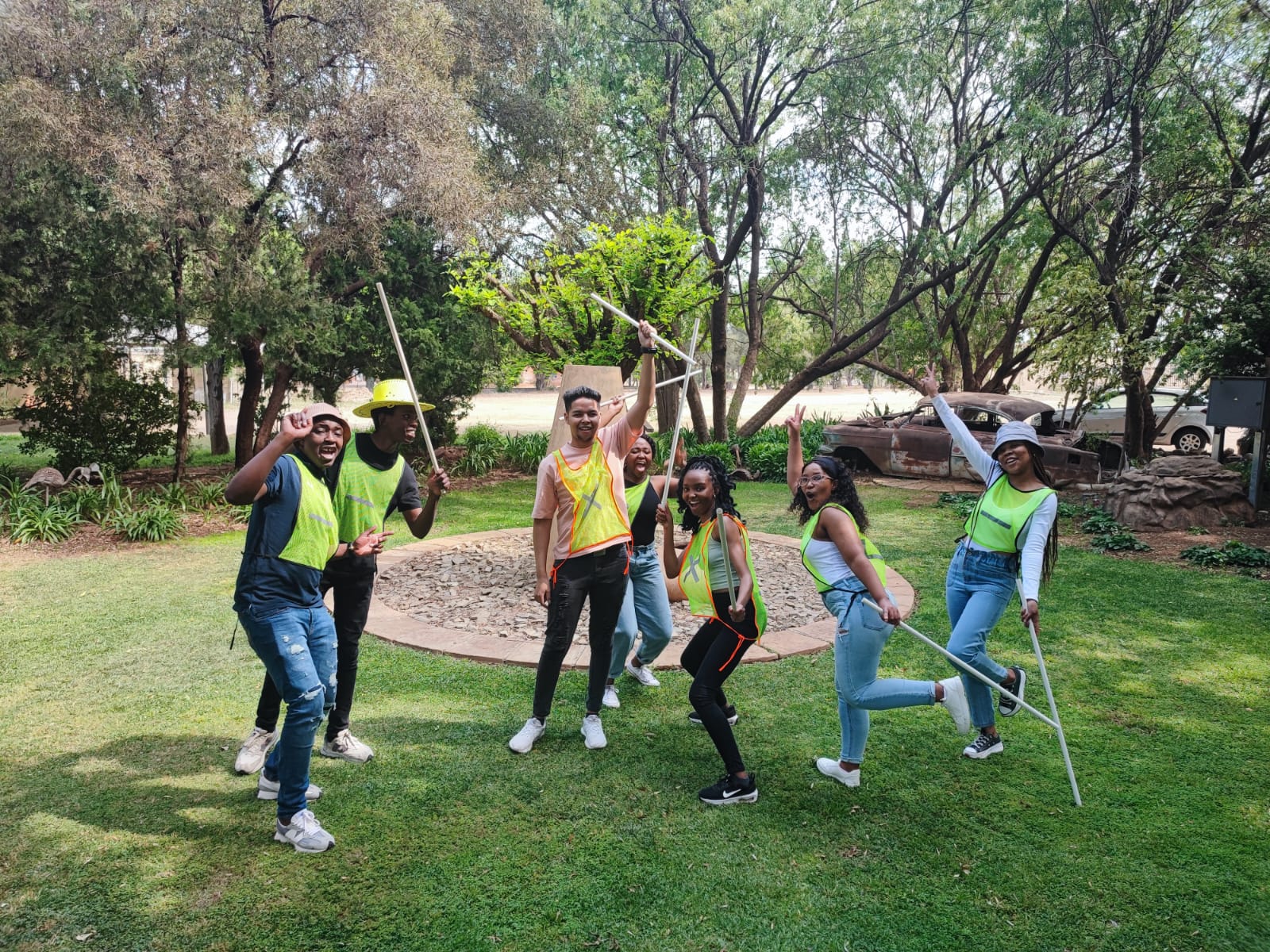
How Does Teambuilding Help in Organisational Development?
Let’s get one thing straight—growing an organisation doesn’t have to be all spreadsheets and strategic frameworks. Sure, those have their place, but what if the real magic ingredient for organisational growth was simpler? What if it was something that didn’t feel like work at all? Something like… fun?
That’s where teambuilding walks in. Not the awkward icebreaker stuff, but the kind of teambuilding that gets people moving, laughing, and actually enjoying time together. The kind that reshapes how people show up for work, how they treat one another, and how they get things done.
Teambuilding isn’t just about fun for the sake of it. It’s a seriously effective way to build better teams—and better organisations. Let’s break down exactly how that works.







Teambuilding Helps Teams That Play Together, Grow Together
When teams have fun together, something changes. You can see it in the way they communicate, the way they collaborate, and the way they handle stress. Fun doesn’t just make people happy—it helps build trust.
And trust is the backbone of any successful team. You can have the most skilled people in the world, but if they don’t trust each other, your team won’t go anywhere fast.
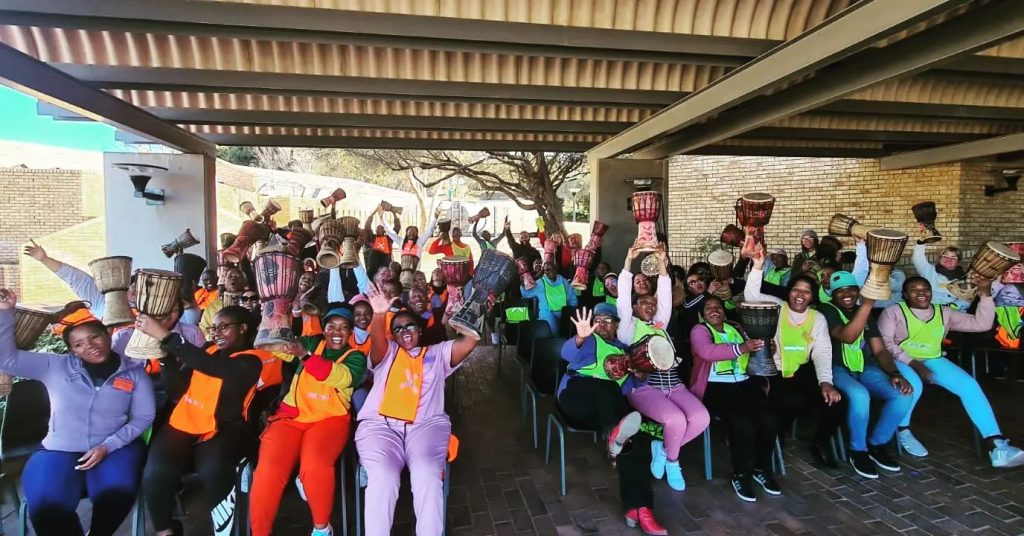
By investing in shared experiences—drumming, dancing, games, even a bit of organised chaos—you give your team a chance to connect as people first. That connection becomes the foundation for better teamwork and long-term organisational growth.

Teambuilding Breaks Down Silos Without Breaking a Sweat
Every organisation deals with silos. Different departments doing their own thing, barely talking to one another. And sure, there are systems and meetings that can help with that—but you know what works faster? Teambuilding.
When people from different parts of the business come together for something fun, the barriers come down. They get to know each other outside of titles and tasks. Suddenly, marketing isn’t just “those people over there,” and operations becomes more than a mystery.
This cross-department connection is gold for organisational development. It leads to more open communication, more willingness to collaborate, and a stronger sense of unity across the board.
Teambuilding Turns “Just a Job” into “Part of Something”
One of the biggest challenges in growing an organisation is getting people to care. Not just about what they do, but about the team, the mission, the whole picture.
Teambuilding gives people a reason to care. It makes them feel seen, included, and part of something beyond their daily tasks. When someone feels like they belong, they show up differently. They take more initiative. They support their teammates. They stick around.
And let’s be honest—retaining great people is a huge part of organisational growth. Keeping your team engaged and connected reduces turnover, boosts morale, and makes the workplace feel like a place worth being.
Teambuilding Turns Soft Skills Into Core Strengths
If you’ve ever read a job posting, you’ve seen the buzzwords: teamwork, communication, problem-solving. The so-called “soft skills.” But let’s not kid ourselves—these aren’t soft. They’re essential.
Strong communication can mean the difference between a project that flows and one that flops. Good problem-solving saves time, money, and reputation. Teamwork? That’s how you scale without chaos.
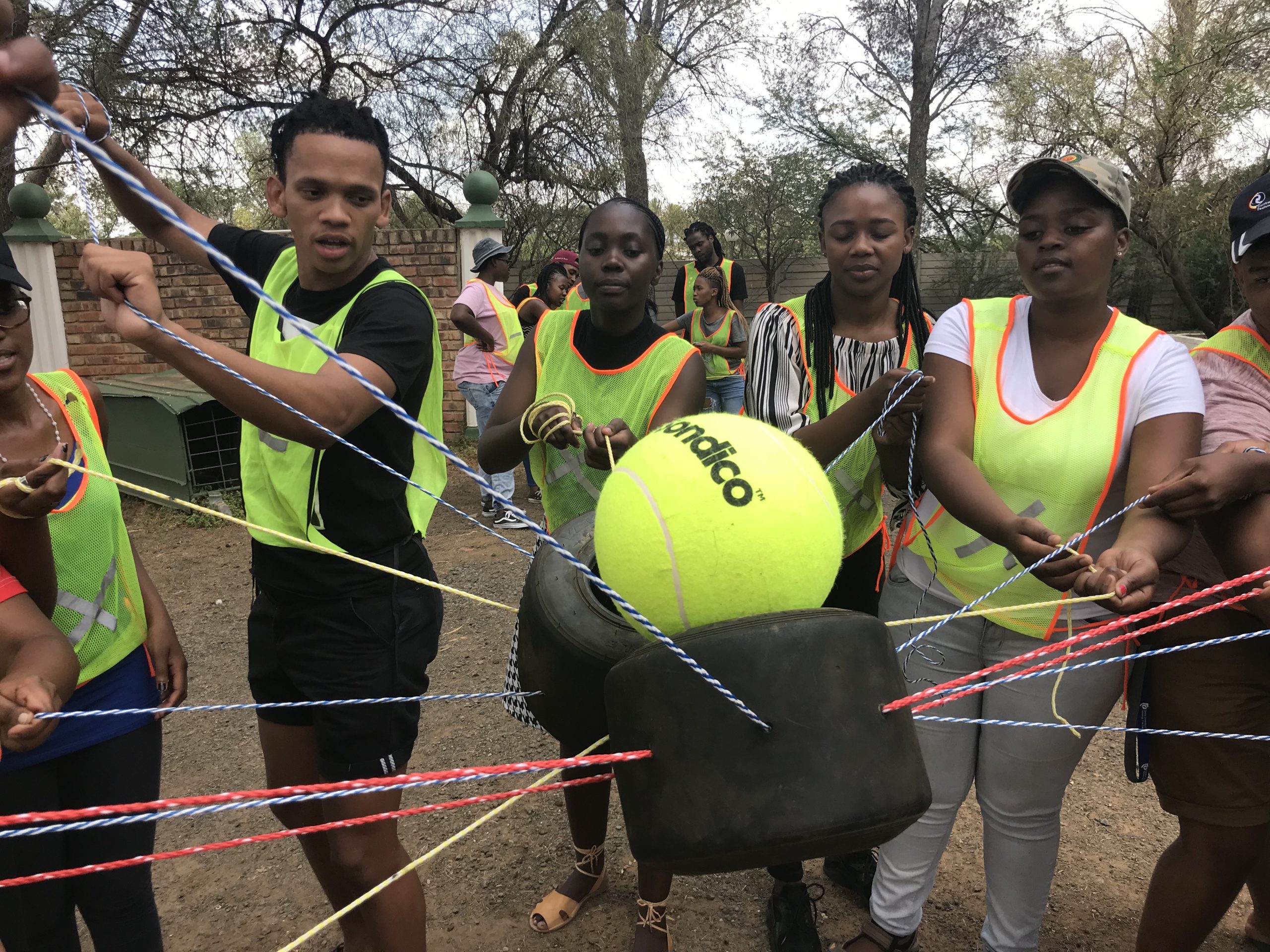
Teambuilding is a practical way to build these strengths. Through shared challenges, creative games, and good old-fashioned fun, people practice the skills that matter most—without even realising it.
Over time, those skills show up in meetings, projects, and customer interactions. And that adds up to more than just a better vibe—it builds true, lasting organisational development.
Teambuilding Creates a Culture People Actually Want to Be Part Of
Culture isn’t something you write on a poster and hang in the break room. It’s what happens in the day-to-day—how people talk, work, support each other, and show up.
Teambuilding helps shape culture from the inside out. It reinforces values like connection, collaboration, and resilience. And it does it in a way that sticks, because it’s not being forced—it’s being experienced.
When people feel good about where they work, they bring that energy into everything they do. That’s what drives innovation. That’s what keeps customers happy. That’s what fuels organisational growth.
Teambuilding Sparks Innovation Without a Whiteboard
Innovation isn’t just about brainstorming sessions or hackathons. It’s about mindset. When people feel safe to be themselves and supported by their teammates, they’re more likely to speak up, share ideas, and take smart risks.
Teambuilding helps create that kind of environment. It removes the pressure and opens the door to new ways of thinking. The same team that just solved a wacky puzzle together? They’re going to approach business problems with a fresh perspective.
You don’t need a whiteboard full of diagrams to get people thinking creatively. Sometimes, all it takes is a game, a challenge, or a moment of shared laughter.
Teambuilding Helps Manage Stress With a Bit of Fun
Work can be stressful. Deadlines pile up, projects get complicated, and let’s be real—burnout is real. One of the best ways to counteract that stress is to create space for joy.
Teambuilding offers that space. It gives your team a chance to reset, breathe, and remember that work can actually be enjoyable. That little break can go a long way in keeping people energised and focused.
When stress goes down, productivity goes up. When people aren’t running on empty, they make better decisions, treat each other better, and bring more creativity to the table. It’s a simple equation that leads to sustainable organisational development.
Teambuilding Aligns Values Through Shared Experiences
Every growing organisation talks about values. But how do you make sure your team actually lives them? One word: experiences.
Teambuilding isn’t just a random activity. It’s an opportunity to reinforce what matters. Whether that’s collaboration, courage, communication, or creativity, you can build sessions around the values that define your culture.
And when those values are experienced instead of just explained, they stick. People remember what it felt like to work together, support each other, and show up for the team.
That kind of alignment isn’t just good for culture—it’s key for long-term organisational growth.
Teambuilding Benefits Leaders Too
Teambuilding isn’t just for staff. Leaders need it just as much—maybe even more. Why? Because leaders set the tone.
When leaders participate in teambuilding, they show that connection and culture matter. They build rapport, break down hierarchy walls, and get a chance to see their team in a new light.
Plus, it helps leaders develop empathy, clarity, and communication skills in ways that formal training rarely does.
If your goal is to build better leaders from the inside out, don’t skip the team events. Get them in the game—literally.
Teambuilding Isn’t Just for Big Companies
Think teambuilding is only for massive corporations with endless budgets? Think again.
Small businesses, startups, and lean teams benefit just as much—maybe more. When your team is tight-knit, every relationship matters. Every vibe shift counts. Every bit of growth is magnified.
You don’t need a conference centre or a formal retreat. You just need a space, a team, and the right kind of experience.
That’s what makes teambuilding such a versatile tool for organisational development. It works at every level, for every size.
Teambuilding Helps You Grow Without Losing Your Soul
Growth can be exciting—but it can also stretch your culture thin. When new people join, when structures shift, when things speed up, it’s easy to lose the spark that made your organisation great in the first place.
Teambuilding helps you hold onto that spark.
It keeps people grounded. It reminds them why they’re there. It gives new team members a fast track to connection. And it ensures that as you grow, you don’t lose the heart of what makes your organisation special.
That’s the kind of growth that lasts—the kind that stays human.
Fun Isn’t a Distraction—Teambuilding Is a Growth Strategy
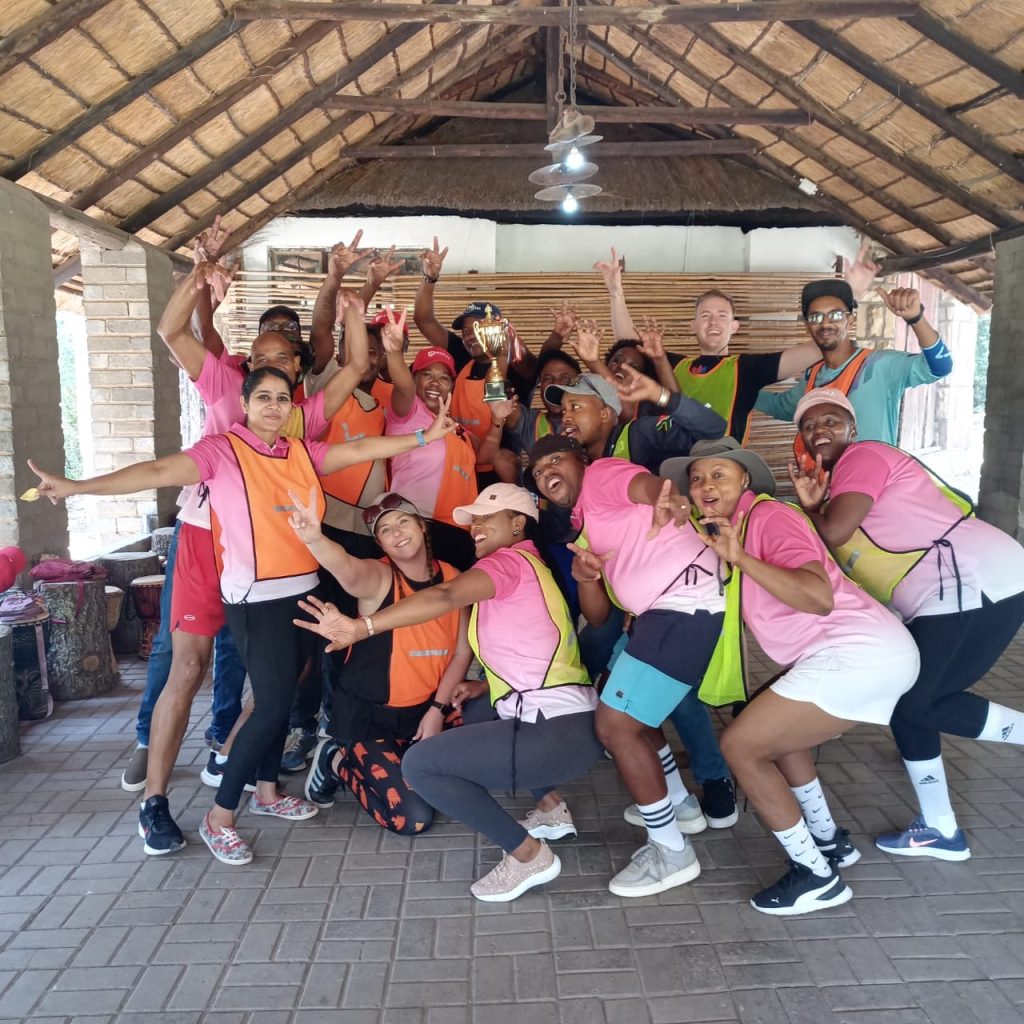
Here’s the real kicker: fun at work isn’t fluff. It’s not a distraction. It’s strategy.
Fun builds connection. Connection builds trust. Trust builds strong teams. Strong teams build organisations that can adapt, scale, and thrive.
If you want sustainable organisational growth, you need a strategy that includes your people—not just your plans. That’s where teambuilding comes in. It’s fun with purpose.
Ready to Grow With a Bit More Joy?
Your organisation doesn’t need another memo. It needs energy. It needs connection. It needs real experiences that bring people together.
That’s the kind of organisational development teambuilding delivers. Whether it’s a full-on event, a quick hit of fun, or something in between, your team will walk away more connected, more motivated, and more ready to take on what’s next.
Growth doesn’t have to be stressful. Sometimes, it just needs more colour, more movement, more rhythm—and a whole lot more joy.
Let’s make it happen.