
Youth Leadership Activities That Help Learners Find Their Voice
Youth Month should feel like more than another assembly, another speech or another poster on the wall.
It should give learners a chance to get involved in a way that feels real to them. Not every learner is ready to stand in front of the school and speak to a crowd, and that is completely normal. Leadership often starts in much smaller moments, especially when learners are given the space to try without feeling watched or judged.
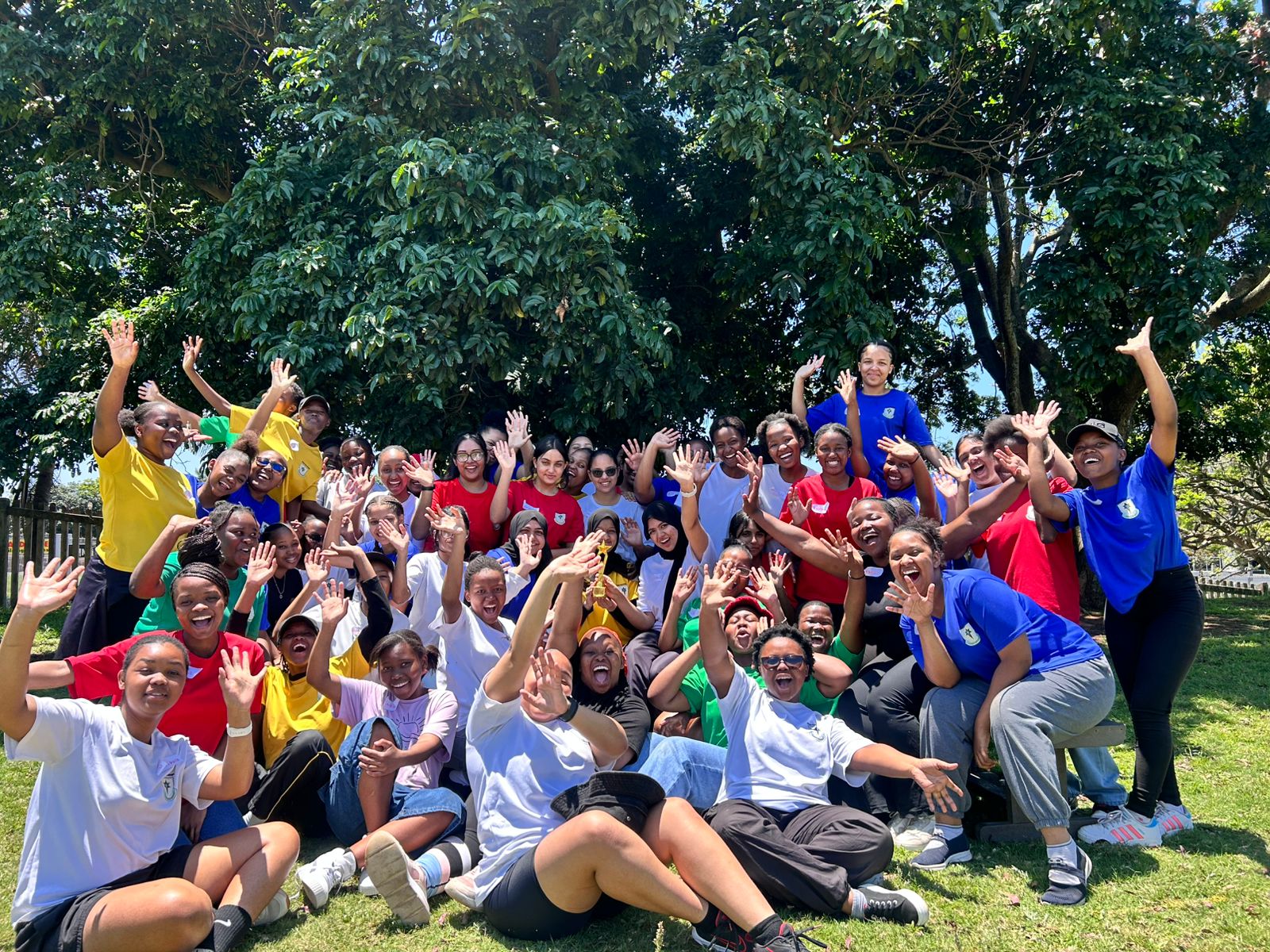
Ask any facilitator and they will tell you that leadership rarely shows up in only one way. Sometimes it is the learner who needs a little time before sharing an idea. Sometimes it is the one who keeps the group laughing when everyone feels awkward. Sometimes it is the RCL member who slowly realises they do not have to copy someone else’s leadership style to be taken seriously.
That is what makes the right youth leadership activities so powerful. They move leadership out of the lecture and into the room, where learners can practise speaking up, listening properly and helping the people around them. Once the activity gets going, the nerves usually soften. Ideas start coming from unexpected places, classmates begin cheering each other on, and the group gets a chance to see each other differently.
Youth Month Is a Great Time to Get Learners Involved
Youth Month 2026 in South Africa reminds us that young people have always had something to say. Their ideas, courage and voices matter.
For learners today, that message still feels important. Many of them have thoughts, questions and opinions, but putting those thoughts out there can feel intimidating. A learner may worry about being laughed at, saying the wrong thing or not sounding confident enough. Others may think leadership is only for the naturally bold learners who always seem ready to take charge.
That is why practical school activities can make such a difference during Youth Month. Instead of only talking about leadership, schools can create moments where learners get to experience it in a safe, playful and manageable way.
A learner might step into a challenge, help a teammate, share an idea, notice someone who has been left out or take a turn guiding the group. That is where the shift starts, not with a long speech, but with a learner joining in and realising they can contribute.
Leadership Does Not Have One Personality
Any teacher can tell you that schools are full of different kinds of learners.
In one group, you may have a learner who jumps in before the instructions are finished, sitting next to someone who needs time to think before saying anything at all. There will usually be someone who turns the smallest moment into a joke, someone who quietly notices when the group is getting stuck, and someone who would rather stay close to a friend until they feel ready to take part.
The lovely thing is that every one of those learners has something to bring.
Leadership can be loud and energetic, but it can also be calm, thoughtful or kind. Sometimes the leader is the person giving the instructions. Other times, it is the learner who helps the group settle down, reminds everyone what they are supposed to be doing or encourages someone else to have a turn.
Good youth leadership activities make room for those different styles. They help learners see that leadership is not about being the person who says the most in the room. It is about showing up, helping the group and learning that your way of contributing still counts.
Helping Learners Find Their Voice
Finding your voice at school does not always happen in one big, brave moment.
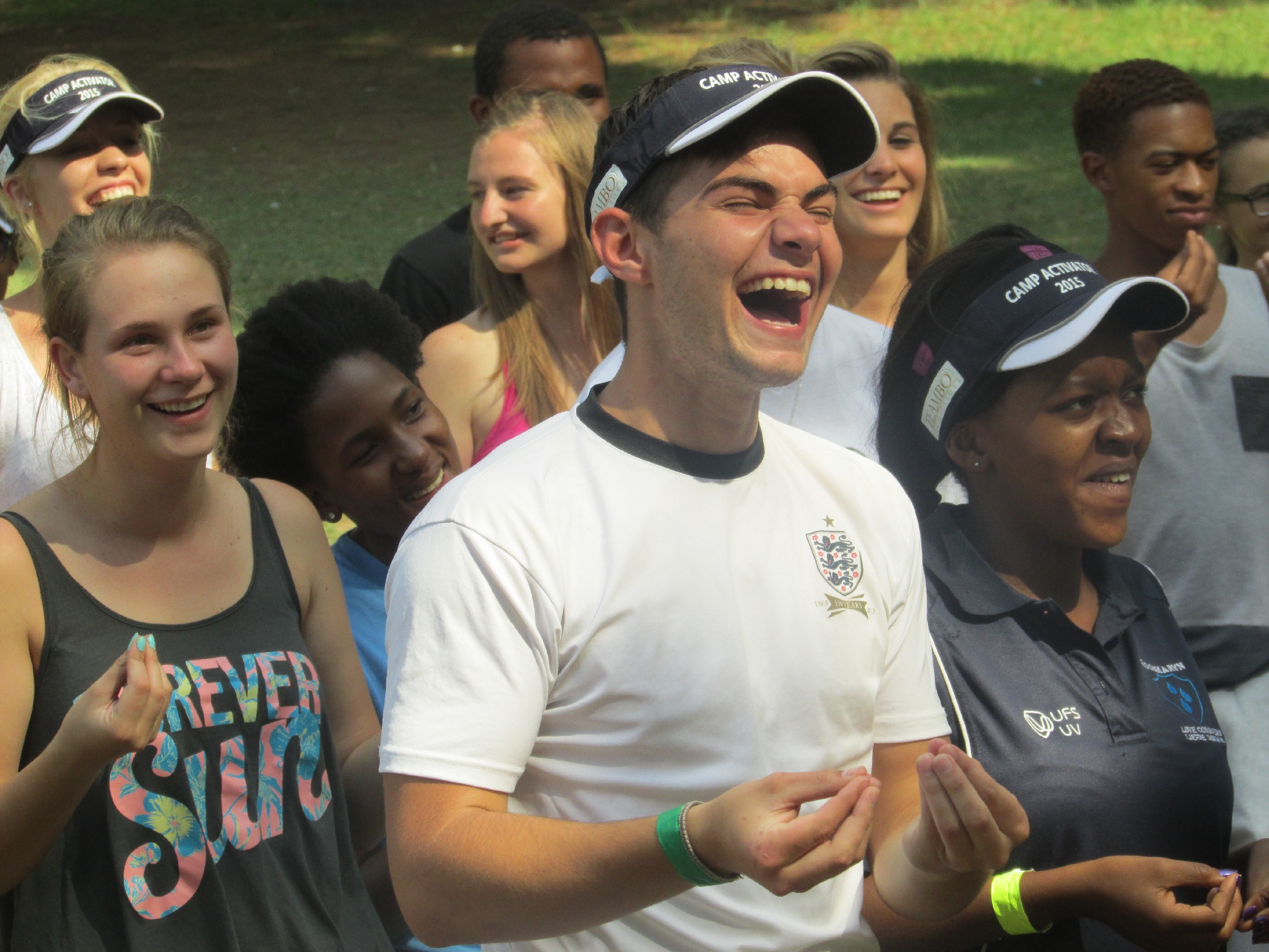
For many learners, it begins with something simple. They answer a question during an activity, suggest a new idea to their group or ask everyone to slow down and listen. It may not look huge from the outside, but for that learner, it can be a proper step forward.
Those moments matter because confidence grows through practice. During a game or group challenge, learners can test their voice without the pressure feeling too heavy. When their idea is heard, they start to understand that they have something useful to add. When their teammates rely on them, they begin to see themselves as someone who can help. When classmates cheer them on, that confidence can follow them back into the classroom, the next term or the next leadership opportunity.
That is why confidence building activities work so well when they feel active and fun. Learners are not sitting still while someone tells them to be confident. They are practising confidence while laughing, thinking, trying again and figuring things out with the people around them.
By the time the activity is properly underway, the room usually feels less stiff. Learners who were unsure at the start begin to relax, and the group starts working together in a way that feels much more natural.
Youth Leadership Activities That Actually Work
Youth Day school activities do not have to feel serious to be meaningful. Learners often respond better when the energy is relaxed, fun and a little unexpected.
Here are a few activity ideas that can help learners speak up, take part and build confidence.
Team challenges with rotating leaders
Give learners a group challenge and change the leader after each round.
This gives different learners a chance to guide the group, make decisions and practise being heard. It also helps the class see that leadership does not belong to one person for the whole activity.
One round may need the learner who is good at organising everyone. The next round may need someone who thinks carefully before acting. Another round may be won because the quiet learner spots the clever shortcut nobody else noticed.
That is when the activity becomes more than a game. Learners start noticing that different people lead well in different ways.
Confidence circles
After an activity, ask learners to mention one thing someone else did well.
It can be simple and natural. One learner might thank a teammate for listening. Another might point out that someone kept the group calm when they were stressing. Someone else might say, “Your idea helped us finish.”
This kind of activity can feel small, but it lands. Learners often remember encouragement from their peers because it feels real. It is not a teacher giving a mark. It is someone in their group saying, “I saw what you did there.”
Problem-solving games
Set up a challenge where learners need to plan, test, change direction and work together.
The point is not only to finish first. The point is to notice how the group works when things do not go perfectly. Who helps the team refocus? Who listens before acting? Who keeps trying when the first plan fails?
These games are helpful because they bring out leadership in unexpected places. A learner who is usually quiet might be the one with the best idea. A learner who usually takes over might realise that pausing to hear someone else out can actually help the team.
That is proper growth, without it feeling like a lecture.
Reflection moments
A quick reflection after an activity can turn a fun moment into something learners actually remember.
Keep the questions simple:
- What helped your group work better?
- Who surprised you today?
- What did you do that felt brave?
- What kind of leader do you think you are?
These questions help learners connect the fun to real life. They also help them see that leadership is not only about being chosen for a title. It is about how they show up when other people are relying on them.
Make It Safe, Not Scary
Confidence grows best when learners feel safe enough to try.
That does not mean every activity must be easy. It means learners should be able to make a mistake, laugh about it, try again and still feel part of the group.
This is especially important with learner leadership. If an activity feels too intense, some learners shut down before they have even started. If it feels too childish, they do not buy in. But when the activity is playful, clear and well-managed, learners usually give themselves permission to join in.
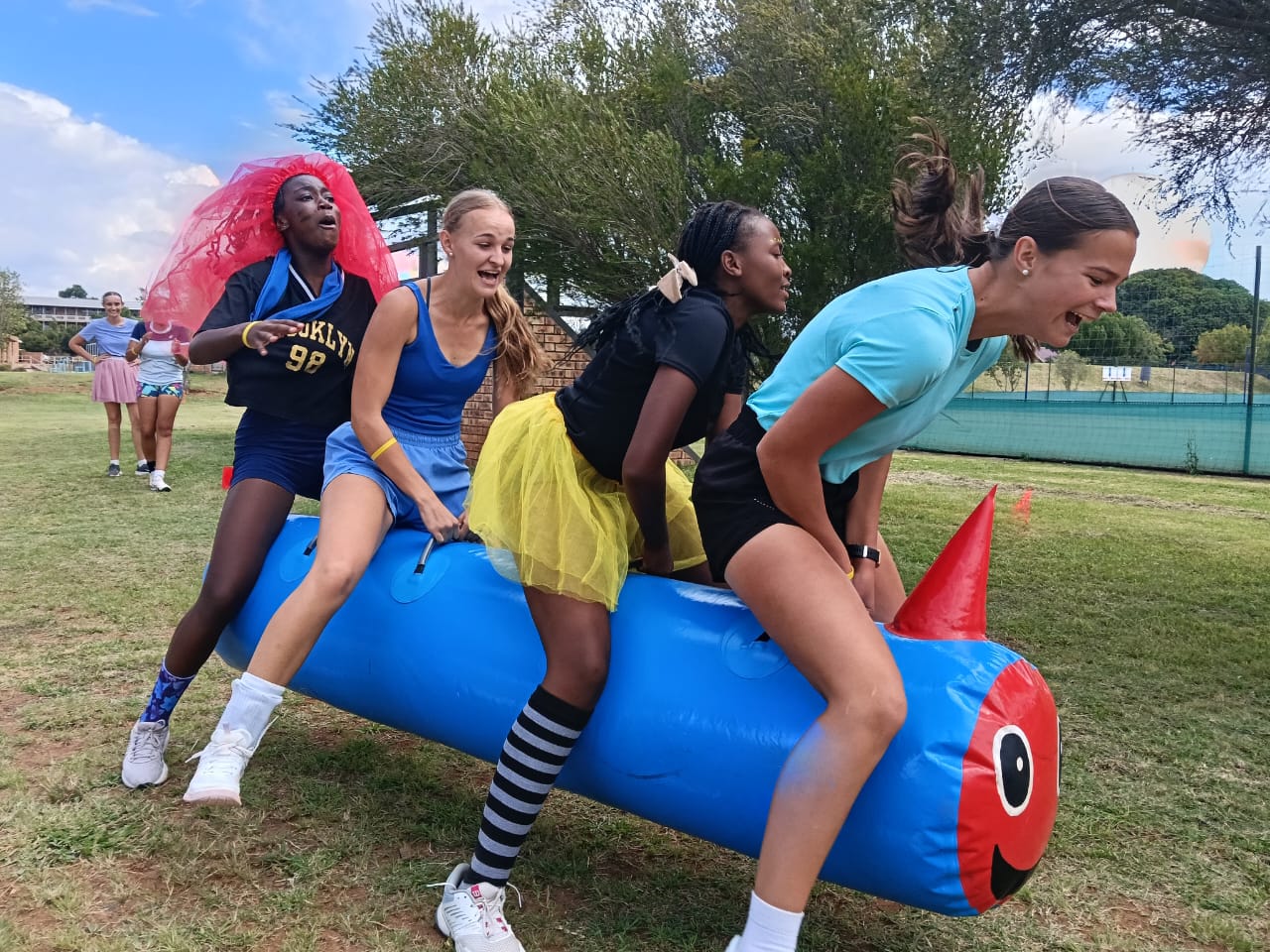
At the start, many learners will stand with their usual friends. A few may act like they are too cool to take part, mostly because they feel awkward. Then the first challenge begins, and the mood starts to shift. Someone takes a chance. Another learner follows. A group starts cheering because they are suddenly invested in the game.
Soon, the room feels different. There are belly laughs, high-fives, inside jokes and learners talking to people they barely spoke to before.
That is the kind of school teambuilding South Africa learners remember.
Youth Day School Activities Should Feel Like More Than a Once-Off
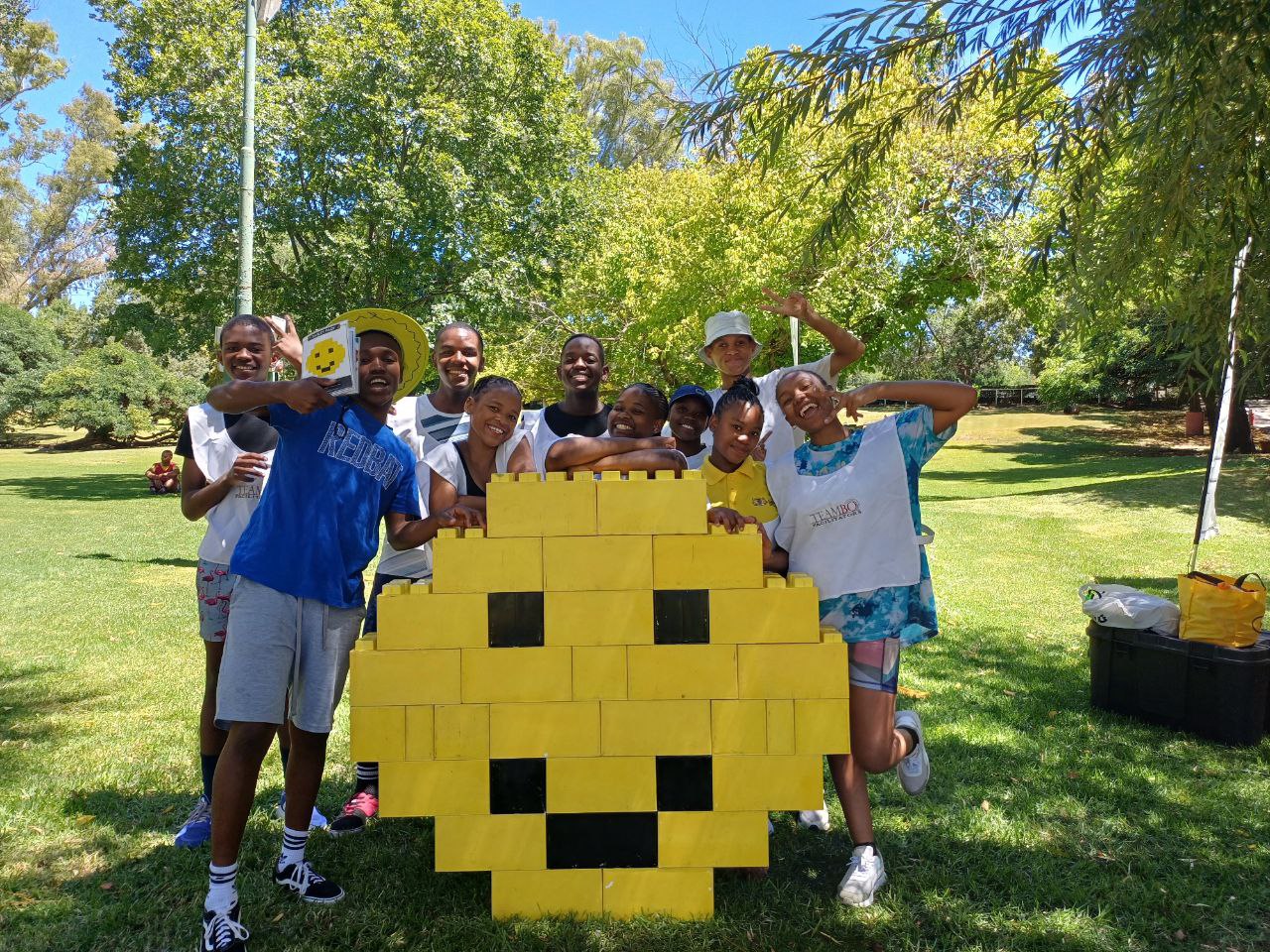
A good Youth Month activity should be fun on the day, but it should also leave learners with something they can carry back into school life.
A learner may walk away feeling more willing to speak up in class. Another may feel closer to classmates they do not usually spend time with. Someone else may realise that a learner they barely noticed before is actually patient, funny or really good under pressure.
This is where practical activities work so well. Learners get to feel what leadership is, instead of only hearing what it should be. They learn that leadership is not always one big dramatic moment. It can also be the choice to listen, help, take responsibility or encourage the person next to you.
For schools planning RCL sessions, leadership days, grade activities or school teambuilding experiences, it helps to bring in activities that match the age group, the energy in the room and the purpose of the day. Teambo shares more school-focused ideas through its School Teambuilding and Entertainment page, with options that help learners feel involved and ready to take part.
RCL Groups Can Benefit from This Too
RCL learners often carry more responsibility than people realise.
They are expected to represent other learners, speak with confidence, set an example and take initiative. That can be exciting, but it can also feel like a lot, especially for learners who are still figuring out their own leadership style.
This is where practical youth leadership activities can help.
Instead of only telling RCL learners what a good leader should do, give them a chance to experience what a good leader should do. Let them handle group challenges, make decisions, solve problems under a bit of playful pressure and talk afterwards about what worked.
That kind of experience helps leadership feel less like a badge and more like a skill they can keep building.
For schools looking at RCL-specific ideas, Teambo also has a page on RCL Camps with Teambo in South Africa, which gives a helpful view of how learner leadership can be developed in a practical and engaging way.
Let Learners Lead in Their Own Way
Youth Month is a reminder that young voices matter.
It is also a good time to show learners that their voice does not have to sound like everyone else’s. One learner may lead with big energy. Another may lead with humour. Another may lead by listening carefully, helping the group stay focused or making sure someone else does not feel left out.
That is the beauty of learner leadership. It is not one-size-fits-all.
When schools create space for learners to take part in a way that feels practical and safe, something changes. The room feels lighter. Learners become a little braver. The group starts to feel less like a bunch of people waiting for the bell and more like a team that can actually work together.
And that is exactly what Youth Month should encourage.
If your school is planning Youth Day school activities, learner leadership sessions, RCL activities or confidence building activities, make them practical. Make them human. Make them something learners actually want to join in.
Help Learners Find Their Voice Through Action
Teambo can help learners loosen up, take part and discover what leadership feels like in action. From school teambuilding sessions to RCL-focused experiences, we bring the activities, energy and facilitation that help learners get involved without feeling put on the spot.
Explore School Teambuilding